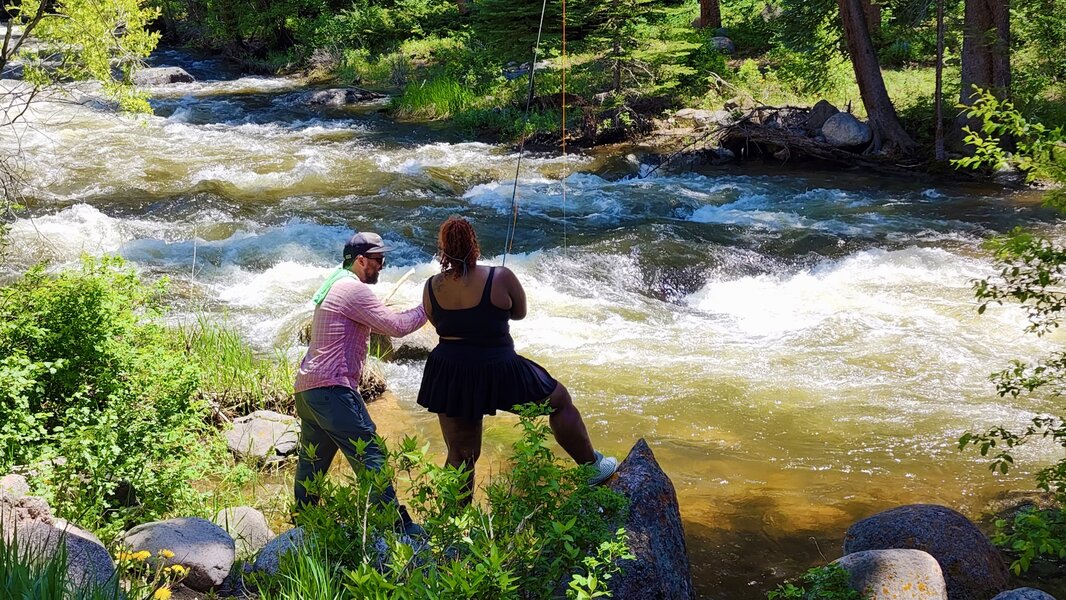
In recent years, the conversation around outdoor recreation has gained momentum, highlighting the significance of public lands as shared spaces for all citizens. These areas, including national parks, forests, and recreational sites, are vital for physical health, mental well-being, and community bonding.
Historically, access to outdoor spaces has been uneven, often favoring certain demographics over others. This disparity has sparked a movement advocating for equitable access, emphasizing that outdoor spaces should not be exclusive but inclusive for people of all backgrounds, ages, and abilities.
Many advocates argue that public lands are a collective resource funded by taxpayers and should therefore be accessible to everyone. This includes removing barriers such as restrictive regulations, inadequate transportation options, and lack of facilities in underserved communities.
Efforts to promote inclusivity include policy reforms, community outreach programs, and partnerships with organizations dedicated to outdoor education and recreation. These initiatives aim to ensure that marginalized groups, including low-income families, people with disabilities, and minority communities, can enjoy the benefits of nature.
Furthermore, there is a growing recognition of the need to protect these natural spaces from overdevelopment and privatization. Ensuring sustainable management practices is crucial to preserving the ecological integrity of public lands for future generations.
In conclusion, the movement to make outdoor spaces accessible to all is gaining traction, emphasizing that the outdoors belong to everyone. By fostering inclusive policies and community engagement, society can ensure that nature remains a shared resource, enriching lives and strengthening communities across the nation.